
A Trusted Guide for Homeowners
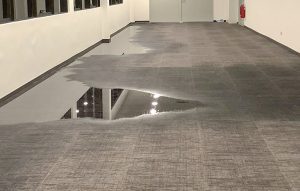
Flooding in your home is stressful enough. But drying carpet after flooding, especially in places like Draper or the greater Salt Lake City area, can feel like a whole new headache!
Whether it’s from a burst pipe, rainwater, or a water heater leak, quick action is the key to preventing long-term damage, mold growth, and costly replacements.
In this guide, we’ll walk you through what to do, what not to do, and how to know when to get professional help. Because we believe that every homeowner deserves peace of mind—and dry, safe floors.
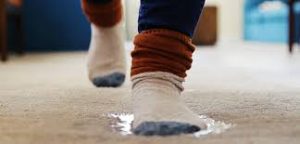
First Things First: How Bad Is the Flooding?
Before you jump into drying steps, it’s crucial to understand what you’re dealing with. Not all floods are created equal—and the size, carpet type, and how long it’s been wet will determine your next move.
Before diving into drying techniques, take a moment to assess:
- How much water are we talking about?
A small spill or inch of water might be manageable on your own.
A soaked room or standing water? You’ll likely need professional help. - What type of carpet do you have?
Thick plush carpet with padding is harder to dry than glue-down styles. - How long has the carpet been wet?
After 24–48 hours, the risk of mold rises significantly.
Tip: If you’re unsure whether your carpet can be saved, a local expert like 3 Dollar Carpet in Draper can help you evaluate your options.

DIY Method: How to Dry Carpet After Light Flooding
For small-scale flooding like a spill, appliance leak, or a little rainwater, there are a few DIY techniques that can help you dry your carpet safely and effectively. Here’s what you can do when you’re dealing with a small affected area:
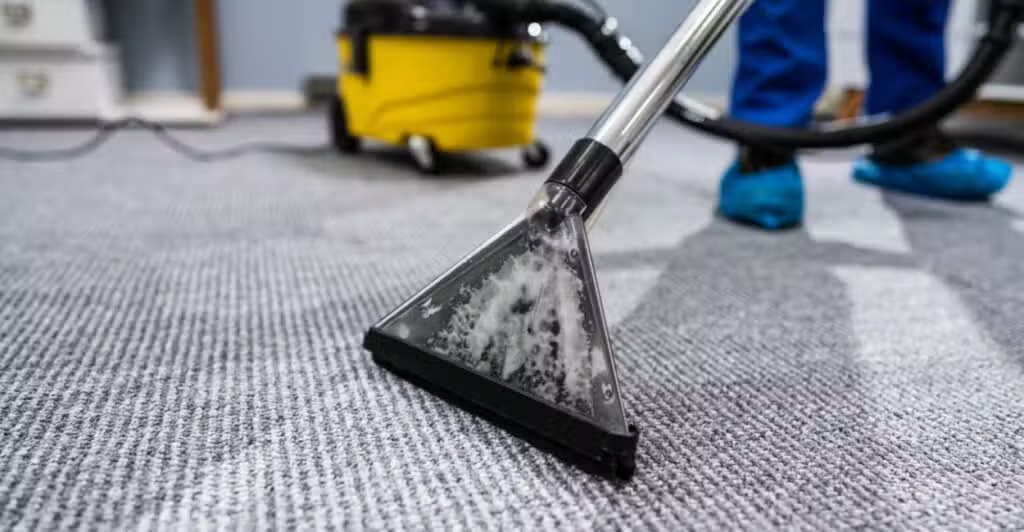
- Use a Wet-Vac
A wet-vac can be handy for light flooding, but it’s important to know its limits. The standard attachment won’t extract water from the carpet pad. For better suction, remove the attachment and press the nozzle directly into the carpet, one section at a time. - Lift & Air Out the Padding
If water has reached the carpet pad underneath, gently pull back the carpet (if it’s not glued down), and use fans or vacuums to dry the pad directly. - Use Fans & Dehumidifiers
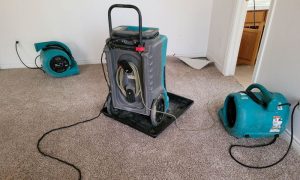
Rent or buy a high-powered fan and run a dehumidifier in the room. This speeds up evaporation and pulls moisture from the air. - Sanitize the Area
After drying, treat the space with anti-microbial cleaners to prevent mold and mildew.
These DIY techniques are perfect for smaller jobs. But if you notice lingering dampness or carpet that just won’t bounce back, it may be time to explore affordable carpet replacement in Draper. You’ll find durable, stylish options that are ready for whatever life throws your way.
Why Standard Vacuums Aren’t Enough
Most shop vacs only pull moisture from the surface. Even after drying your carpet after flooding with a wet-vac, it may feel dry on top—but the padding underneath could still be soaked and holding hidden moisture.
Professionals use tools like:
- Flood Extraction Wands
These heavy-duty wands are designed to pull water from deep inside carpet fibers.
- Water Claws
A powerful suction plate placed over the wet area while applying body pressure (usually by standing on it). It extracts water from both the carpet and the pad underneath.
These are some of the best tools for drying carpet after flooding. Without the right equipment, moisture can stick around longer than you think, and by the time mold shows up, replacing the carpet might be the only option left.
If you don’t have access to equipment like a water claw or a Flood Extraction Wand, it’s worth speaking with a local expert who understands water damage. You’re always welcome to reach out to us for friendly advice or a free consultation.
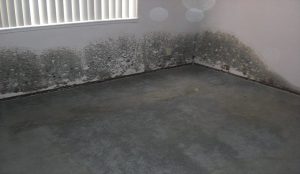
Don’t Forget the Walls: Hidden Moisture Dangers
Even after drying carpet and padding, the walls nearby may still be wet, especially at the base where carpet touches drywall. That’s where mold can quietly spread.
Here’s what you can do:
- Check baseboards and lower drywall for moisture.
- Use a moisture meter, or remove baseboards to inspect.
- Run fans along the walls for several days, even after the carpet feels dry.
Be sure to check walls thoroughly and keep fans running longer than you think you need to.
And if the flooding has you thinking about an upgrade, take time to consider the key factors to notice when looking for cheap carpet options near you—like durability, padding quality, stain resistance, etc.
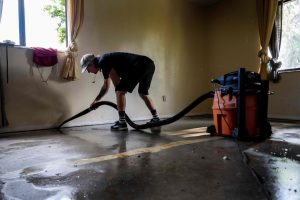
When to Call in the Professionals
Drying carpet after flooding is not always a simple DIY fix. If:
- The flooded area is large
- The carpet pad is thoroughly soaked
- The water is from a contaminated source (like sewage)
- Mold is already present
…then professional extraction and drying services are your safest bet.
Even if you plan to replace the carpet, pros can help with drying the subfloor and preventing mold in surrounding walls.

Final Thoughts: Stay Dry and Be Prepared
Drying carpet after flooding in Draper or Salt Lake City takes urgency, patience, and the right approach. Whether you manage a small leak yourself or bring in the pros, the goal is to protect your home, your air quality, and your peace of mind.
If you do end up needing a new floor, 3 Dollar Carpet in Draper offers a wide selection of affordable, in-stock carpet and luxury vinyl plank, many of them waterproof, stain-resistant, and perfect for homes that have faced a flood.
Need help deciding? Stop by the Draper showroom, bring your measurements, and get a quote—fast, friendly, and pressure-free.


